Mum participates in kidney research that could transform son’s future
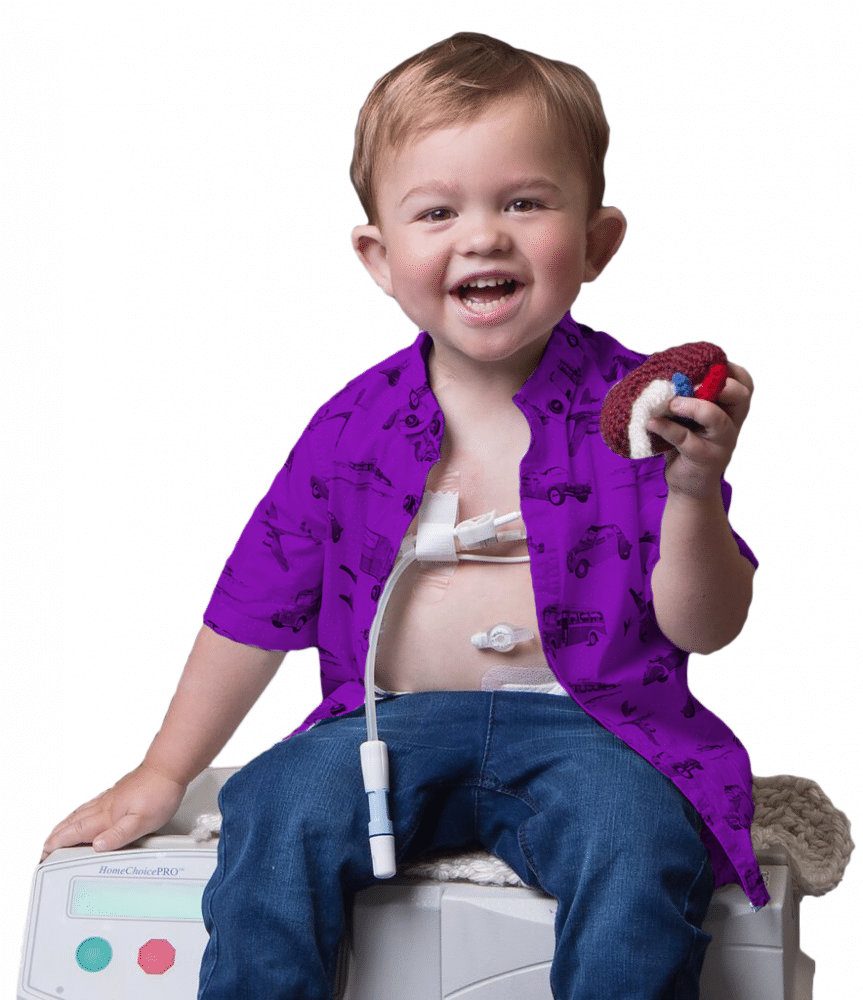
Four-year-old Liverpudlian, Theo Ofoegbu, who lives with Down’s Syndrome, has already faced more health issues than most. A severe heart condition and an acute kidney injury (AKI) have meant much of his early life has been spent in Alder Hey Children’s Hospital with his mum, Samantha-Jane.
She understands Theo will be a life-long heart and kidney patient. However, many questions about how his conditions will affect his future remain unanswered. This is partly due to limited existing research into AKI in children.
Samantha-Jane is determined to change this by supporting the NURTuRE kidney biobank. This world-unique resource is a growing collection of samples and healthcare data generously donated by kidney patients, which securely supports approved scientific studies. It will accelerate research into many areas, including AKI, with the aim of changing lives for kidney patients and their families.
Samantha-Jane says: “It is uncertain whether Theo’s kidneys will decline to the point of kidney failure. That causes us anxiety and is why research is so important, as it could help inform our decisions in Theo’s treatment. I’m keen to support in any way I can to build knowledge and provide researchers with real data that can help them find answers.
“Theo is a child of African descent, who also has Down’s Syndrome and a heart condition. He’s a very specific demographic. It’s important he is included in research and his voice is heard. Many people from the black community do not want to participate in research for real historical reasons. However, being in medical crises has changed my perspective. I’m hoping our involvement will help researchers gain a greater understanding for the next generation.”

Being the parent of a child with health issues
Theo was only 18 months old when he needed open-heart surgery to treat a form of congenital heart disease called tetralogy of Fallot. Although the operation was successful, it led to an AKI that has caused a decline in kidney function.
He remains under the care of cardiology and renal departments, needing daily medication, regular hospital visits and a strict diet to protect his heart and kidney health. However, there is a very real possibility that his conditions could deteriorate further.
Samantha-Jane says: “It has been tough. Parenthood is difficult anyway but having a child with special educational needs and medical issues is even harder. It’s difficult to describe how it feels to see your little baby with a seven-inch scar down his chest after open-heart surgery. It was traumatic and his AKI was a big shock. We’d just gone through something massive, and we had a whole new condition to learn about.
“Despite everything, it’s all worth it to be Theo’s mum. I hope people going through similar situations can find hope in the fact that we are still smiling and enjoying life. I’m so proud of him. He’s so vivacious and has loads of energy. He’s still pre-verbal but he knows how to let you know when he wants something! He loves to kick a ball, he loves to run and he loves to explore toys and how they work. He’s a ball of energy and I absolutely adore him.
“When I see his little face, it feels so unfair that this is all happening to him. But who is it meant to happen to? We’ve just got to get through it and try to help others.”
Samantha-Jane is an independent fashion designer and was based in London before becoming a parent. She says: “Life was turned upside down, but I think it has made me a better person. I’ve not been able to work as much and had to move back to Liverpool to be with my mum because of the financial impact. Having a close-knit family has been invaluable. We’ve all pulled together because nothing else is as important as being there for Theo to support with his additional needs and hospital appointments.”

Acute kidney injury causing uncertain future
There are many factors that can lead to AKI, and it is a complex issue which researchers are striving to understand better to ensure earlier diagnosis and more effective treatments. Unfortunately, for now, there are still many unanswered questions.
Samantha-Jane says: “It preys on your mind. You don’t want to get to that next appointment and find out Theo’s kidney function has drastically fallen. If it wasn’t for how amazing the clinicians are at Alder Hey, parents like me would be in pieces.
“Theo isn’t always able to communicate how he is being affected in the same way as other children. That makes it difficult when he experiences symptoms which are not visible. It’s important for us that he has regular tests to stay on top of everything. The doctors have been fantastic with him, and, if it wasn’t for the NHS, my child might not be alive.
“I’m so glad there are people doing research. So many people don’t think about their kidneys compared to their heart or other organs. When things go wrong, you realise just how important they are. I feel fortunate that we can contribute to the NURTuRE kidney biobank to support research into AKI in children. It helps put my mind at ease about Theo’s future.
“I want him to be able to be his best self and be happy as he grows up. Theo’s intellectual disability means everything is harder for him to learn, but he is learning. I hope one day he is able to manage his everyday life with independence and understand how to look after his health. Hopefully by that time, we will have more answers about his conditions.”
Supporting research for the future
Stories like Theo’s highlight why research into AKI is so important. By contributing samples and health information to NURTuRE, researchers build a clearer picture of kidney disease and its long-term effects.
Through the development of dedicated AKI research cohorts, NURTuRE is bringing together detailed clinical information, biological samples and long-term follow-up data from patients across the UK. These cohorts will allow researchers to better understand how AKI develops, how it affects different patients over time, and why some people experience lasting kidney damage while others recover.
This knowledge will help develop better ways to diagnose, treat and prevent kidney problems in the future offering hope to children like Theo and many other families affected by kidney disease.
Kidney Community
A new dedicated online forum for kidney patients and carers, helping people connect with others who might be going through similar experiences.
Co-developed with patients and carers, Kidney Community is a welcoming, safe space where you can share experiences, ask questions and find information and support.