
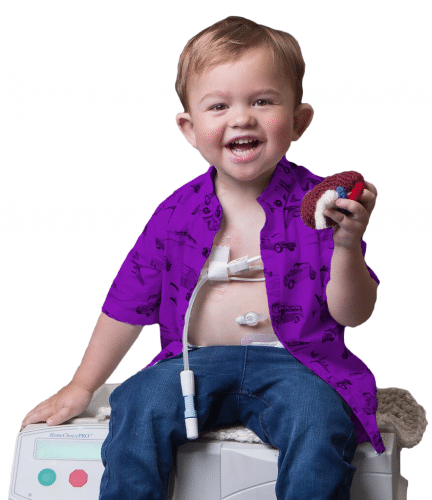
What is idiopathic nephrotic syndrome (INS)?
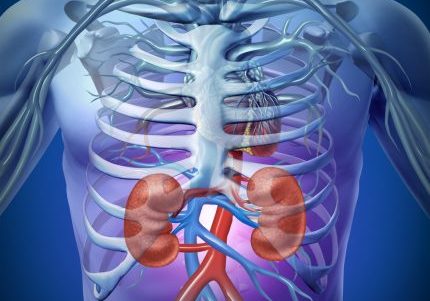
Nephrotic syndrome (NS) means that the kidneys are leaking large amounts of protein into the urine, leading to fluid retention and swelling (oedema) most commonly around the eyes, abdomen, feet and legs.
When the cause of nephrotic syndrome is not known, it is referred to as idiopathic nephrotic syndrome (INS). Doctors may also use the term ‘Primary nephrotic syndrome’. Somewhat confusingly, the terms ‘minimal change disease’ or ‘(idiopathic) focal segmental glomerulosclerosis’ (FSGS) are also sometimes used.
INS occurs most often in children between 2 and 7 years old, but can also be diagnosed in older children and adults.
What causes idiopathic nephrotic syndrome (INS)
The exact triggers for most cases of idiopathic nephrotic syndrome (INS) are not well understood, but they likely involve a mix of environmental and immune system-related factors.
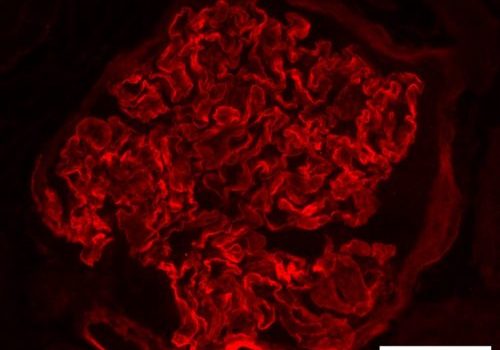
There is growing evidence which suggests that substances in the blood, possibly from the immune system, can damage podocytes – these are specialised cells that act as part of important kidney ‘sieves’ that filter blood to make urine.
When podocytes are damaged, their structures flatten which weakens the filtration barrier, like making holes in a sieve, allowing protein to leak into the urine.
What are the symptoms of idiopathic nephrotic syndrome (INS)?
INS causes the same signs and symptoms as other forms of NS. These can include:
- Swelling - commonly found in the feet, ankles and around the eyes (oedema).
- Increased risk of infections – due to the loss of antibodies (a special group of proteins that help fight infection) in the urine.
- Changes to urine – this may appear frothy due to high levels of protein.
- Increased risk of blood clots – due to the loss of important proteins in the urine that prevent the blood from clotting.
- Sometimes cholesterol levels are raised
Patients may also report general tiredness, feeling weak, loss of appetite and weight gain (due to the body retaining more water).
How is idiopathic nephrotic syndrome (INS) diagnosed?
Doctors will first look at physical symptoms such as swelling (oedema) and foamy urine, which indicate that the kidneys may be leaking.
- Urine test – this is a key step to check for high levels of protein.
- Blood test – will also be performed to assess kidney function and protein loss from blood.
- Kidney biopsy – if the diagnosis is unclear or if a patient is not responding to treatment a small sample of kidney tissue may be examined under a microscope to assess the structure of the filtration unit of the kidneys.
- In some cases, a genetic blood test is useful to look for defects in podocyte genes, these are rare, but important to distinguish from INS.
- Other tests, such as screening for viruses, may be performed to exclude other causes of FSGS appearances on biopsy.
Treatments for idiopathic nephrotic syndrome (INS)
Steroids
Initially, INS will be treated with steroids, most often prednisolone. This is given in high doses at the start, and if the kidneys improve, the dose is slowly reduced over weeks. If the swelling and excess protein in the urine go away, this is known as ‘remission’.
In some cases, standard steroid treatment does not improve the condition. This is known as ‘steroid resistant nephrotic syndrome’.
Sometimes steroids work to achieve a remission, but when the dose is reduced the NS quickly returns. This is known as ‘steroid dependant nephrotic syndrome’
Steroid sparing medicines
Where steroids are ineffective or to reduce the risks of long-term steroids, other medications may be used alongside or in place of steroids. These may include immunosuppressive therapies (drugs that suppress the immune system) such as calcineurin inhibitors.
Diuretics
These are medicines that increase the amount of salt and water excreted as urine. They are used to reduce swelling (oedema).
Angiotensin-converting enzyme (ACE) inhibitors
These medicines reduce protein leak and lower blood pressure. They can help slow down kidney damage.
However, for some, treatment, even with other immune suppressive medications, does not manage INS, causing the kidneys to become permanently damaged over time which may lead to chronic kidney disease and, in severe cases, end-stage kidney failure, which can require dialysis or a kidney transplant.
Because INS is caused by factors in the blood acting on the kidney, in some people the disease can recur after transplantation, in the new kidney. For this reason, people with INS are closely monitored around transplant and sometimes additional specialist treatments to clear the blood such as plasma exchange are required.
Reviewed by Dr Katherine Bull, Honorary consultant nephrologist, from the University of Oxford - May 2026

"Our aim is to personalise nephrotic syndrome treatment, so that patients can avoid medications that don’t work for them."
Dr Samantha Hayward
Researcher spotlight
Dr Samantha Hayward from the University of Bristol has been awarded a grant to develop a tool which will help personalise treatment for children with nephrotic syndrome.
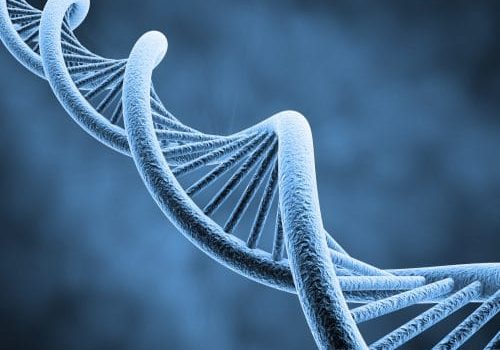
Samantha will investigate whether steroids change the chemical tag on patients’ DNA and will use this information to update the prediction tool. This will make sure that the tool can accurately predict responses to treatment regardless of how much steroid treatment a patient has already received.
Our nephrotic syndrome research
Our research is changing the live for people living with kidney disease.




New resource aims to support more precise approaches to diagnosing and treating idiopathic nephrotic syndrome

Can we support new approaches to kidney care by looking more closely at personalised care? The NURTuRE perspective






Our life-saving research is only possible with your support.
Donate today and help transform treatments.