

What is kidney cancer?
Kidney cancer is cancer that starts in the kidneys.
There are several different types of kidney cancer. The most common type is called renal cell carcinoma (RCC).
What are the types of kidney cancer?
Renal cell carcinoma (RCC) is the most common type of kidney cancer and begins in the cells of the tiny tubes in the kidneys, called tubules.
There are several subtypes of RCC. The most common subtypes are
- Clear cell RCC
- Papillary RCC
- Chromophobe RCC
- Collecting duct carcinoma
Other types of kidney cancer are rarer and begin in different cells. These include:
- Transitional cell cancer. This cancer starts in the cells that line the bladder, renal pelvis and ureters, which are structures that transport urine from the kidneys to the bladder.
- Wilms’ tumour. This is the most common kidney cancer in children and mainly affects young children (less than 5 years old). It is rarely inherited and is usually caused by changes to normal kidney development.
In kidney cancer one or more tumours form, which can grow and spread to other organs and tissues in the body.
A tumour is a lump of tissue. Some tumours that develop in the kidneys are benign, meaning they are not cancerous. These often have a similar appearance to kidney cancers on medical scans. Removal of the tumour or a kidney biopsy may be required to confirm whether the tumour is cancerous. Common types of benign tumours found in the kidney include angiomyolipoma and oncocytoma. These benign tumours usually have a good prognosis and may not require treatment.
What causes kidney cancer?
Kidney cancer is caused by abnormal kidney cells that divide and grow out of control. We don’t yet know what triggers this, but some factors that increase your risk of developing kidney cancer include:
- Being male
- Living with obesity or overweight
- Having high blood pressure
- Working with or being exposed to some workplace chemicals such as asbestos, cadmium and some solvents
- A family history of kidney cancer
- Age, most cases are in people over 60 years old
What are the symptoms of kidney cancer?
At first, kidney cancer may not cause obvious symptoms. As kidney cancer progresses symptoms can develop, which include:
- Blood in your urine
- A lump or swelling in your side or back
- Pain in your lower back or side
- Extreme tiredness
- Sudden weight loss
- Reduced appetite
- Repeated fevers and sweating a lot
- Generally feeling unwell
How is kidney cancer diagnosed?
If your doctor suspects you may have kidney cancer, they will refer you to a specialist. However, some cases of kidney cancer are identified by chance when having a medical image for another reason.
Imaging tests (such as ultrasound or CT scans) are normally used to identify a suspected kidney cancer and assess whether the suspected cancer has spread to other parts of the body. This is called cancer staging.
A biopsy may be recommended depending on the size and stage of the tumour. However, often the diagnosis of cancer is only confirmed after surgical treatment.
What are the treatments for kidney cancer?
Treatments will depend on the size, stage and type of kidney cancer as well as your general health. Your specialist will discuss any treatments with you which may be aimed at curing, controlling or easing the symptoms of the cancer.
Treatments can include:
Active surveillance. This is where regular imaging is done to keep an eye on a small tumour which may not need treatment at that time or at all.
Surgery to remove part of, or the whole, affected kidney. This is often done by keyhole (robotic or laparoscopic) surgery.
Thermal ablation. This is a treatment option for small kidney tumours or if you aren’t able to, or don’t want to have, surgery. Ablation may also be used to treat kidney cancers which have spread.
Cryotherapy to freeze the cancer cells. This is done by inserting small needles through the skin.
Radiofrequency or microwave ablation uses heat to kill cancer cells using a needle through the skin.
Stereotactic radiation therapy (SABR) which uses radiation to kill the cancer cells. This may be used in some cases, if surgery or ablation is not suitable, for localised kidney cancer or kidney cancer that has spread.
Immunotherapy which are treatments that help your immune system target and destroy cancer cells. These treatments may be used if kidney cancer has spread or following surgery in people with a higher risk of the cancer returning.
Targeted therapies which target biological pathways, mainly related to blood vessels, that are important for growth of the tumour. These treatments may be used if kidney cancer has spread or has returned after treatment.
What is the prognosis for kidney cancer?
Outcomes will depend on the type and stage of cancer and response to treatments.
If kidney cancer is found early and has not spread beyond the kidney outcomes are usually better. If you are able to have surgery this may cure the cancer.
In cases where kidney cancer has spread, treatments are usually aimed at slowing progression instead of curing the cancer. However, these treatments can sometimes be effective for several years.
If you have been diagnosed with kidney cancer and have any questions or concerns about your illness, speak to your cancer specialist.
References
Vincent P. Kidney Cancer [online]. Patient.info: London; 2024 [Accessed 29 May 2026]. Available from: https://patient.info/cancer/kidney-cancer
Chandrasekar T. Kidney Cancer. [online]. MSD Manuals: Rahway, NJ; 2025 [Accessed 29 May 2026]. Available from: https://www.msdmanuals.com/home/cancer/cancers-of-the-kidney-and-genitourinary-tract/kidney-cancer
NHS. What is kidney cancer? [online]. NHS: England; 2023 [Accessed 29 May 2026]. Available from: https://www.nhs.uk/conditions/kidney-cancer/what-is-kidney-cancer/
Leslie SW, Sajjad H, Murphy PB. Wilms Tumor. In: StatPearls. Treasure Island (FL): StatPearls Publishing; 2023. Available from: <PMID: 28723033>.
Stewart, G, McGrath, J, O’Flynn, K. and Briggs, Tim. Urology: Towards better care for patients with kidney cancer [online]. GIRFT Academy. 2023 [Accessed 12 June 2026]. Available from: GIRFT guide supports better care for people with kidney cancer - Getting It Right First Time - GIRFT
Reviewed: June 2026 by Professor Grant D Stewart

"Our findings should help us to improve the care we give to kidney transplant patients but also have wider implications for those who develop bladder cancer.”
Dr Simon Baker
Researcher spotlight
Dr Simon Baker and his team at the University of York, will begin a study to understand whether a common childhood infection (BK virus) causes changes to the cells of the lower urinary tract that lead to cancer.
The research aims to highlight potential treatments and preventative measures to tackle cancer in kidney patients.
If Simon's theory is correct, he will show the importance of monitoring BK virus more closely in kidney transplant patients and provide evidence to support a new trial to protect against BK virus prior to transplant.
Our kidney cancer research
Our research grants enable cutting edge research into all aspects of kidney disease
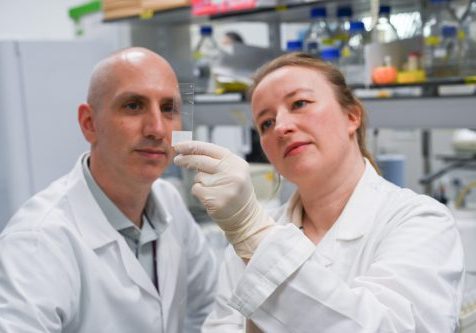

New results suggest that bladder cancer could be caused by the body’s response to common childhood virus


Exploring the role of BK virus in kidney transplant patients’ cancer risk: a World Cancer Day conversation with Dr Simon Baker

Our life-saving research is only possible with your support.
Donate today and help transform treatments.