
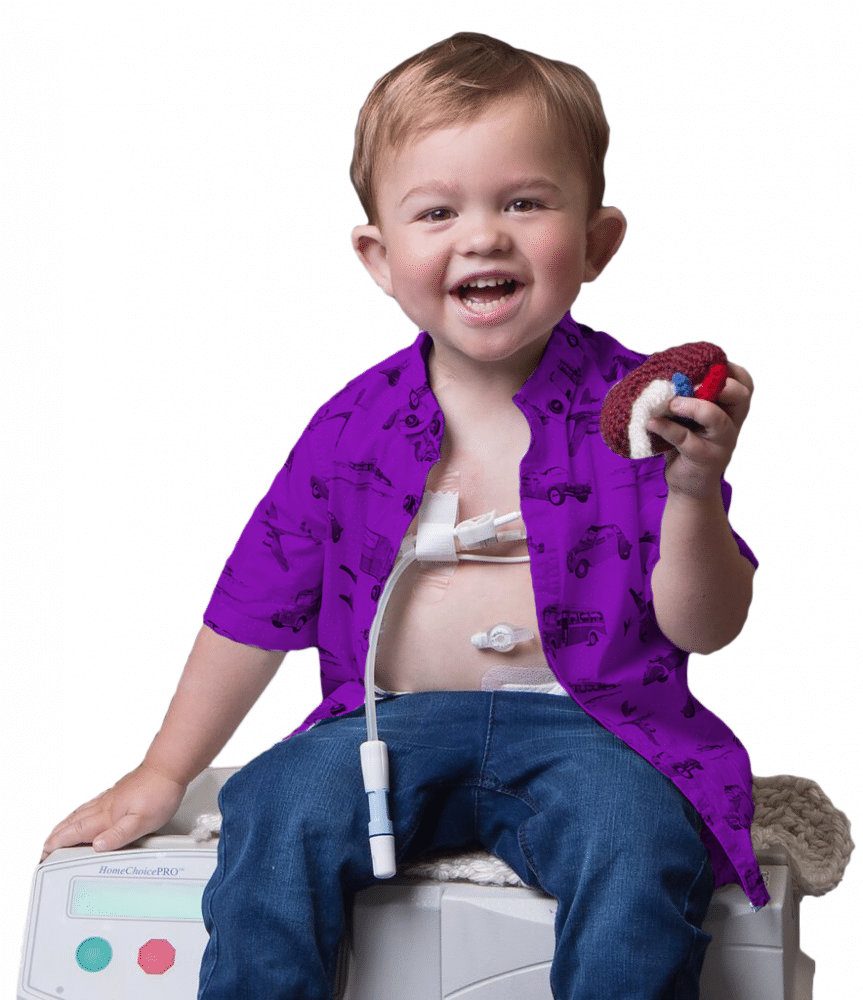
Testing new therapies for children with autosomal recessive polycystic kidney disease
Professor David Long from University College London Great Ormond Street Institute of Child Health has received a Kidney Research UK paediatric and rare diseases research project grant of £200,000 to test new therapies for autosomal recessive polycystic kidney disease (ARPKD) that focuses on how cysts use energy. This project forms part of the PKD Partnership, led by Kidney Research UK and the PKD Charity.
New treatments are needed for children with ARPKD
Polycystic kidney disease (PKD) is an inherited condition that causes fluid-filled cysts to grow in the kidneys, gradually damaging them and often leading to kidney failure. The condition is passed from parents to children through faulty genes.
One of the most severe forms is autosomal recessive polycystic kidney disease (ARPKD), a rare condition that places a heavy burden on children and their families from an early age. There is currently no cure for ARPKD, and there are no approved drug treatments to slow or stop the disease.
Focusing on how cysts use energy
In this project, Professor David Long and the team are looking more closely at a protein called AMP-activated protein kinase (AMPK). AMPK controls how cells use energy in a process called metabolism. This protein has already been studied in other diseases such as cancer, obesity and diabetes, where drugs can alter its activity. Now, the team want to know whether a similar approach could work in ARPKD.
As cysts grow, the kidney’s structure becomes increasingly abnormal. The team believes these cysts may depend on energy processes to keep expanding.
To test this, David and the team are looking at lab models of kidneys with a faulty PKD gene to see how changing AMPK activity affects cyst growth and kidney function. They will also compare how metabolism differs between healthy and affected kidneys to see whether altering AMPK with drugs changes their ability to form cysts. Together, this work will show whether targeting cell energy could form the basis of a new treatment for ARPKD.
ARPKD carries a very high burden, with many children going on to develop kidney failure. We want to understand how cysts use energy to keep growing, and whether changing those energy pathways can reverse the severity of the disease. By testing drugs that alter metabolism, we can begin to see if this approach could make a real difference to ARPKD patients.
Professor David Long

What could this mean for kidney patients?
Targeting cyst energy supply in this way could open the door to new treatment options for children with ARPKD. By slowing cyst growth or reducing kidney damage, these therapies could preserve kidney function for longer and improve quality of life.
Professor David Long adds: “It is crucial to test new ideas for children with kidney disease as treatments that work in adults do not always have the same effects for young patients. By studying how metabolism drives cyst growth, we hope to find new ways to intervene and develop treatments for this patient group.”
Meet the researcher
Professor David Long is a biologist and one of the few non-clinicians in the UK to lead his own kidney disease-focused research group.
“I first became interested in the kidney around 25 years ago and was fascinated by the complexity of the kidney and how many different compartments within the organ come together to carry out the simple job of making urine,” David explains. “But my motivation goes beyond this understanding - meeting patients with kidney disease, including children with PKD, really brings home the importance of developing treatments and I want our research to make a real difference.”

David’s work is focused on advancing therapeutics for children, addressing a real unmet need, while also training the next generation of clinicians and scientists in his laboratory
Take a look at some Kidney Research UK funded researchers who have worked with David:
- Dr Jennifer Chandler: A new treatment target for inherited childhood kidney disease
- Dr Carolina Bebi: Could new treatments protect the kidneys and bladder in boys with posterior urethral valves?
Get our e-newsletter
Stay up to date with our kidney research news, events and ways to get involved.
Why not make a donation now?
Every £ counts towards transforming treatments for people living with kidney disease.