
A new treatment target for inherited childhood kidney disease
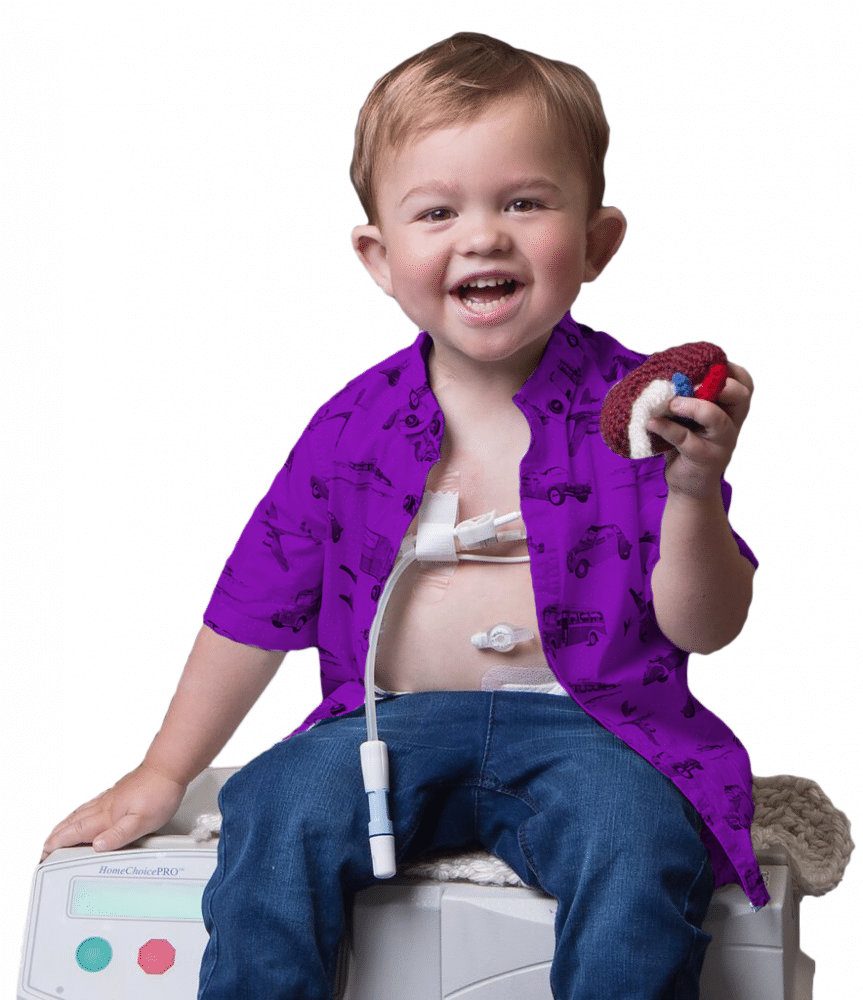
In recent results published in the Journal of Pathology, Dr Jennifer Chandler and the team from University College London (UCL) Great Ormond Street Institute of Child Health, supported by a research grant from Kidney Research UK, have seen that disrupted messaging between kidney filter cells, could be an early feature of a childhood kidney disease and offer a potential treatment target.
Addressing the unmet need of childhood kidney disease
Not all children with glomerular disease respond to drugs that suppress the immune system, which are currently the main treatment for this group. This can lead to permanent scarring of the tiny filters in the kidney, called glomeruli (a condition known as ‘glomerulosclerosis’). As part of her Kidney Research UK fellowship, Jennie studied some of the biological changes that lead to early kidney damage in children with inherited kidney diseases related to mutations in a gene called Wilms Tumor 1 (WT1).

Spotlight on inherited kidney diseases
Changes to the WT1 gene can cause a range of kidney syndromes that result in kidney scarring and eventually, kidney failure. It is one of the most common causes of inherited kidney diseases in children. People with Denys-Drash syndrome, caused by a mutation to WT1, experience a range of problems including scarring of the glomeruli, which can lead to a loss of kidney function. In addition, these individuals have a greater chance of developing a rare form of kidney cancer known as Wilms Tumor.
Recognising the need for a new treatment target, Jennie and the team studied the entire network of cells that are found within each kidney filter (or glomerulus), in laboratory models with a WT1 mutation. This allowed them to see how glomerular health is altered during kidney disease and any signaling molecules that are involved.
Taking a closer look at kidney cells
Jennie and her team found that a type of cell in the glomerulus called podocytes became damaged early in disease, and that this impacted the health of the cells that make up the glomerular blood vessels (known as the endothelium). These cell-based changes lead to loss of filtering ability and eventual kidney failure.
When looking more closely at the changes in how cells communicated in this disease model, the research team found that a molecule called adrenomedullin, which is involved in cell growth, was at higher-than expected levels.
Exploring the effect of adrenomedullin on kidney filter health
Investigating this further, the researchers found that higher levels of adrenomedullin were common where there was damage to kidney cells. The team found that by increasing the levels further, improvements could be made to the health of the filter cells.

What does this mean for kidney patients?
By understanding the pathways that lead to damage to the kidney filters during childhood kidney disease in more detail, Jennie and her team have identified a potential alternative approach to treat children with kidney disease who do not respond to classic therapy.
“This research takes us one step closer to identifying a new treatment strategy to prevent kidney failure in children and I am really pleased that we now have Kidney Research UK funding for a PhD student, Emily Moore to continue this work. This opportunity builds capacity into renal research and will allow us to understand more about the effects of adrenomedullin and its therapeutic potential.” Dr Jennifer Chandler
Read our latest research news


Researchers identify critical window in deceased donors with the potential to assess and improve the health of donated kidneys
New research insights: understanding how the immune system responds to cytomegalovirus in kidney transplant patients



Why not make a donation now?
(Every £ counts)