
Undiagnosed chronic kidney disease endangers millions of lives
Millions of people worldwide are at risk because chronic kidney disease (CKD) is going undiagnosed, according to global research being unveiled this week.
Former Kidney Research UK fellow, Dr Jennifer Lees has led an international collaboration on the research being published in The Lancet and shared at the European Renal Association conference in Glasgow. Their work details the full extent of the healthcare burden caused by CKD, including its poor diagnosis rates and the complications and risks around delayed treatment. The team of global experts are calling for a renewed focus on CKD diagnosis and treatments.
Chronic kidney disease currently affects 844 million adults worldwide, is listed by the World Health Organization as the ninth leading cause of death globally and is projected to become the fifth leading cause of death by 2040. Kidney Research UK estimates that around 7.2m people have CKD in the UK.
The research follows a major report published by Kidney Research UK in 2023 that identified kidney disease was growing so rapidly it had had become a UK public health emergency that threatened to overwhelm the NHS by 2033.
Early diagnosis is critical
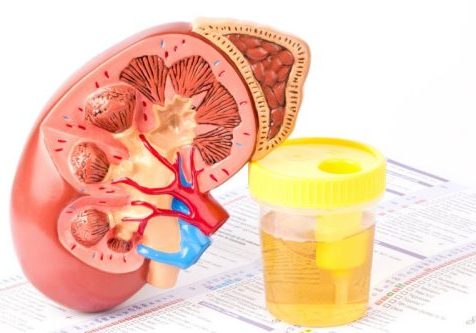
Early diagnosis of CKD is critical for treatment success, and the condition can be detected using a simple and affordable urine test; however, the test isn’t routinely used across all healthcare settings, and often only when kidney disease has already progressed.
People with mild to moderate CKD can often appear healthy and well. Symptoms in the early stages (such as itchy skin, tiredness, nausea, difficulty concentrating, being out of breath, poor appetite, increased need to urinate, blood in urine), can also be mistaken for other health concerns. Symptoms may develop only in the most severe stages, or at the worst, when the kidneys have failed and only dialysis or kidney transplant can keep the patient alive. The lack of early symptoms likely contributes to low rates of diagnosis and awareness.
The research outlines that in high income countries like the UK, an estimated 30-50% of CKD cases are not diagnosed early enough to receive timely intervention. And the percentage of undiagnosed cases in middle and lower-income countries is thought to be much higher. In some groups, the percentage of late diagnosis is particularly high: white men were found to be up to twice as likely to receive a timely diagnosis as women and people from other ethnic groups. A study in the US has shown that even among individuals who do have a diagnosis of CKD in their medical record, 9 in 10 are unaware they have the condition.
Despite being recognised by both the United Nations and the World Health Organization as a major global health concern in recent years, progress in improving the diagnosis of CKD remains slow.

“Chronic kidney disease remains one of the most concerning conditions currently impacting global health. The overriding message from our series of research papers is that there remains a pressing need for attention and resource to be focused on this condition.
“There is huge potential to improve early diagnosis, treatment and healthy lifespan by testing urine for protein routinely across a range of healthcare settings. This may be particularly important in those most at risk of under diagnosis, including non-white populations and women.”
Dr Jennifer Lees, senior clinical research fellow at the University of Glasgow and honorary consultant nephrologist at NHS Greater Glasgow & Clyde
Late diagnosis can be devastating
The researchers argue that health systems are failing to put measures in place to ‘catch’ people who could be at greater risk of developing CKD early, such as people with diabetes, high blood pressure or heart disease, for example by running annual urine tests.
The consequences of late diagnosis can be devastating, especially if someone ends up in kidney failure. It can mean people struggle to cope with dialysis, are unable to work and support their families, and their life expectancy is severely restricted. In the UK alone, thousands of lives could potentially be saved with earlier diagnosis and treatment.
Alison Railton, director of policy at Kidney Research UK, said: “Kidney Research UK has shown that the failure to address the diagnosis crisis in the UK alone could result in as many as 650,000 more lives being blighted by advanced chronic kidney disease and the annual cost of CKD to the economy almost doubling to an eye-watering £13.9billion by 2033.
"Governments need to prioritise resourcing health services to diagnose at-risk patients, such as those with heart disease, high blood pressure, or diabetes, earlier, and deliver urgent, preventative care, or millions of patients and economies worldwide will suffer the consequences."
Read our latest news













Why not make a donation now?
Every £ counts towards transforming treatments for people living with kidney disease.