

Finding new ways to treat diabetic kidney disease
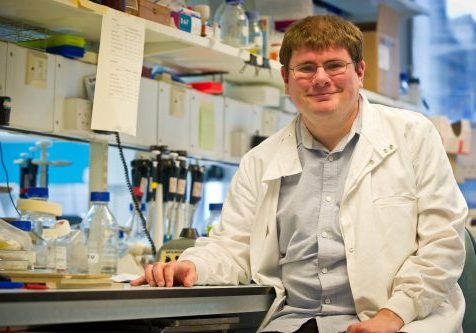
Professor Richard Coward from the University of Bristol has been awarded a research project grant of £230,000 to investigate a potential new treatment approach for diabetic kidney disease (DKD).

What is the problem with current treatments for diabetic kidney disease?
DKD is the leading cause of kidney failure in the world. In recent years some new treatments have been discovered, including SGLT2 inhibitors, which have been shown to slow down the progression of kidney disease in some patients, but these do not provide a cure.
We know that patients with diabetes whose cells don’t respond effectively to insulin, a hormone that affects blood sugar, are more likely to develop severe kidney disease and kidney failure. Cells called podocytes, which form part of the tiny filters in the kidney, lose their sensitivity to insulin in diabetes.
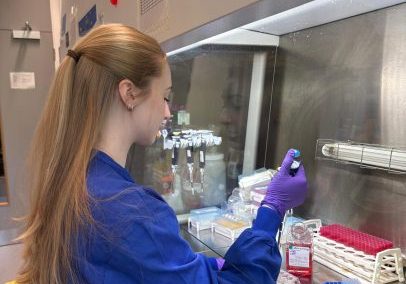
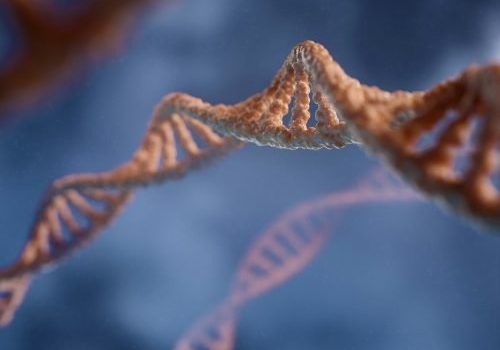
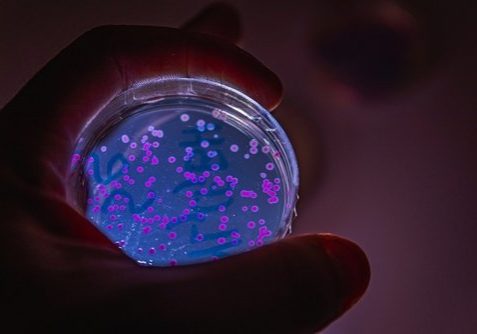
Richard and the team used human podocyte cells in a dish to screen over 1,250 different drug classes, many of which have been used to treat other diseases (and have therefore been extensively tested), to see which ones made the cells more sensitive to insulin. One drug that increased insulin sensitivity was an ‘epigenetic modifier’- something that can influence how genes are turned on or off without changing the underlying DNA sequence.
A solution for treating diabetic kidney disease
Richard and the team will now study this drug in detail to see how it works, how it affects podocyte cells, and whether it also affects other cell types.

What this might mean for kidney patients
This work will help to establish whether the drug that the team identified during their preliminary screen could be used to treat patients with DKD. Understanding the mechanism by which this drug increases insulin sensitivity in the podocytes may also reveal new targets for the treatment of this devastating disease.
“This project will be extremely useful to explore the possibility of altering how podocytes switch genes on and off in the setting of diabetes and if by altering this we can find a new treatment for this devastating disease. This work is the direct result of an extensive Kidney Research UK-funded drug screen we performed looking at human kidney podocytes in dishes in the setting of diabetes. It allows us to continue the discovery science which we hope will lead to new effective treatments for people experiencing diabetes-related kidney disease.” Professor Richard Coward
Read about the research we're funding


Researchers identify critical window in deceased donors with the potential to assess and improve the health of donated kidneys
New research insights: understanding how the immune system responds to cytomegalovirus in kidney transplant patients



Why not make a donation now?
(Every £ counts)