Hitting the same brick walls: a mother and daughters’ experience of rare disease
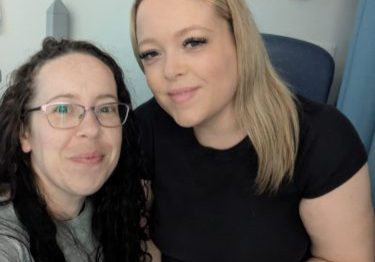
A rare kidney condition continues to severely affect the lives of a mother and daughter from Weymouth, with little improvement in care despite more than 25 years passing between their diagnoses.
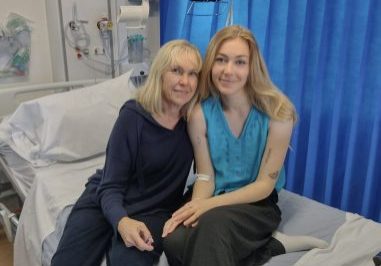
Nicola and Emilie Hilton live with a genetic form of Fanconi syndrome, which causes rickets and kidney failure. Nicola’s kidneys failed when she was 38 years old, and 16-year-old Emilie faces a similar future if there are no medical advances to help protect her kidney function.
Fanconi syndrome is one of more than 150 kidney disease that are classified as rare because they affect fewer than one in 2,000 people. Patients with these diseases often face significant diagnosis delays, inconsistent care and long waits for new treatments. While individually these diseases are rare, they are collectively common, affecting over 160,000 people in the UK, as we recently described in our report, Collectively common: the devastating impact of rare kidney diseases in the UK
Nicola, 44, says: “There just isn’t the knowledge and understanding of our condition within the healthcare system because it’s so rare, even though so many years have passed since I was diagnosed. Both Emilie and I faced long waits to receive a diagnosis and not much has changed in how we’ve been treated. It is really frustrating.”

Matching diagnoses
Nicola was diagnosed with Fanconi syndrome at 13 years old – three years after first experiencing symptoms.
She says: “I felt a lot of pain in my knees and joints which caused me problems with mobility. Despite seeing many doctors and having several tests and x-rays, none were able to identify the cause. I was undiagnosed for such a long time that the bone disease progressed significantly, leaving me needing to use a wheelchair.
“When I was finally diagnosed with Fanconi syndrome, it transpired that the condition was evident on those early x-rays, but because it’s so rare, it needed the knowledge of a specialist to spot it.
“Emilie began experiencing similar symptoms at ten years old and I thought it was far too coincidental. However, I was told my condition was not genetic and Fanconi syndrome was initially ruled out by our GP.
“It took seven months for us to see a paediatrician, and we were then told we’d need to wait another six months while Emilie’s health was monitored. All the while her pain was getting worse, just as mine had. I pushed for her test results to be reviewed by a specialist, and they identified Fanconi syndrome straight away. Without my own experiences, we would have been waiting much longer for Emilie’s diagnosis.”
Fanconi syndrome and its impact
Nicola and Emilie have dealt with almost identical symptoms, challenges, medication and outlooks for their condition.
Nicola says: “I missed a lot of school because of hospital appointments. It damaged my friendships and Emilie has experienced bullying. She uses a wheelchair when pain reduces her mobility, and other teenagers don’t always understand that. It is hard having a disability that is often hidden. Thankfully she has a good group of friends now.
“My kidney function declined over many years until they failed in 2019. We’ve been told to expect that Emilie’s kidneys will fail too - probably at a similar age to mine. I needed a pre-emptive transplant via the kidney sharing scheme, which matched me and my brother to a compatible donor and recipient pair. That prevented me needing dialysis.
“A transplant is not a cure, and I know it is likely I will need another. The immunosuppressive medication I need to protect my kidney can be unpleasant and I’ve had a few episodes of transplant rejection. Thankfully, I’ve overcome those and my kidney function has been stable for the past 18 months.”

Looking to the future
While Nicola’s own future remains uncertain, her focus is on making sure Emilie receives the best care possible.
Nicola says: “When we found out Emilie will one day need a kidney transplant, it was devastating to realise I could never be her donor because of my own health problems. You’d do anything for your children, but I can’t give her what she needs the most.
“Instead, I am providing her with understanding from my own experiences to try and make life easier. I am helping her manage her pain and supporting her to protect her kidney function for as long as possible by following guidance on diet and hydration.
“I was told growing up that my kidneys failing was inevitable. However, speaking with other patients and charities has made me realise that it doesn’t have to be. There is so much that can be done to improve treatments and protect Emilie and future generations from kidney failure. I’m determined to be part of supporting organisations like Kidney Research UK and LifeArc to achieve this.”
Real life stories




Why not make a donation now?
Every £ counts towards transforming treatments for people living with kidney disease.